How DevOps Reduces Software Delivery Time and Boosts Business Growth
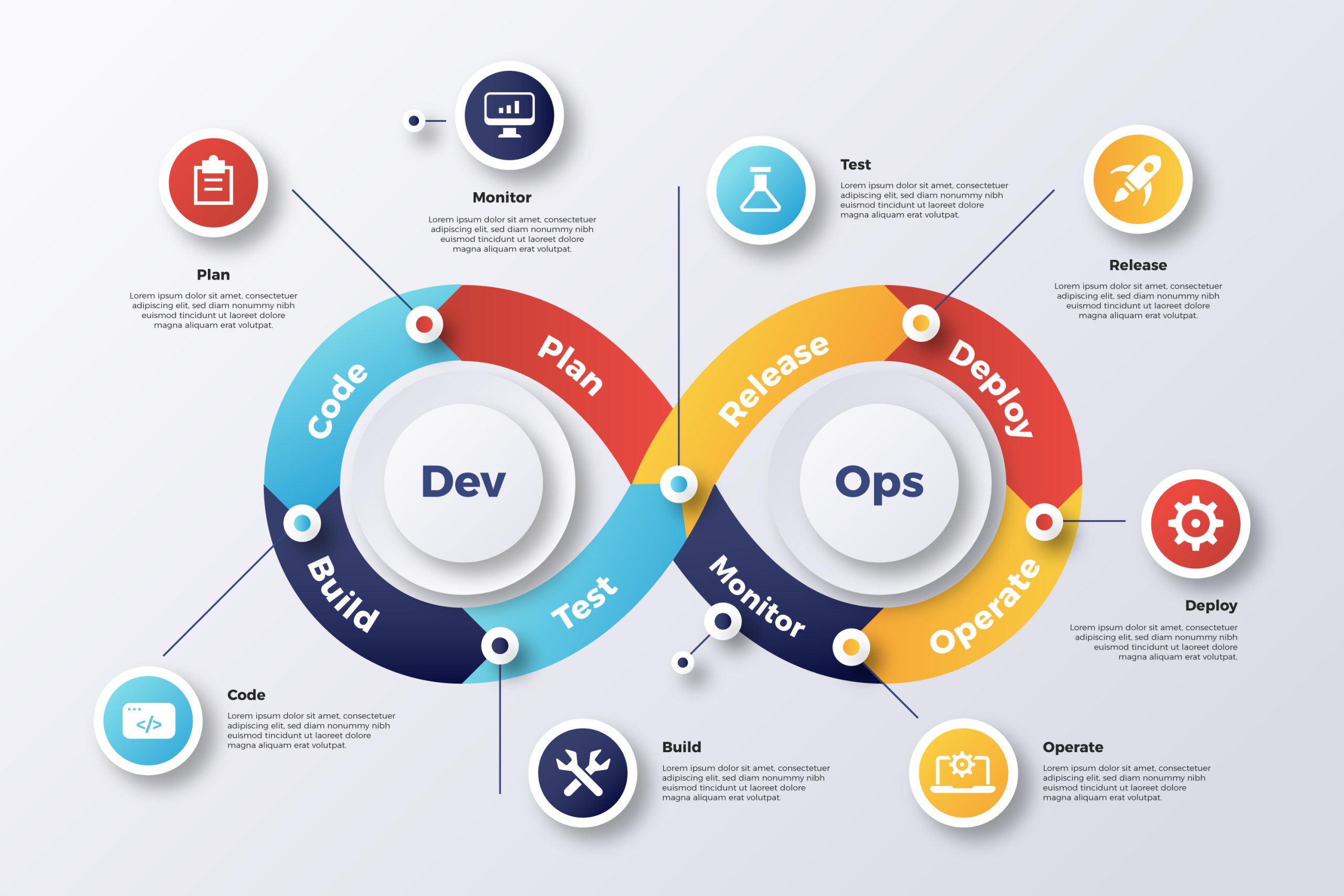
In many companies, delays in software delivery are not caused by development itself, but by everything that happens around it. Code is ready, but deployments take time, approvals slow things down, and issues discovered late in the process force teams to go back and fix what should have been caught earlier.
This creates a cycle where releases become slower, risk increases, and teams spend more time managing the process than improving the product. As the system grows, these delays become more visible, especially when businesses need to respond quickly to market changes.
DevOps addresses this problem by changing how development and operations work together, so that software can move from idea to production faster without compromising stability.
What Changes When Teams Adopt DevOps
DevOps is often explained through tools, but the real change is in how work flows between teams and how systems are designed to support continuous delivery.
When development and operations work in isolation, releases tend to be slower because each stage depends on manual coordination. DevOps reduces this gap by aligning both functions, which allows work to move more smoothly from development to deployment.
At the same time, processes become more automated, which reduces dependency on manual steps and makes delivery more predictable. This shift allows teams to focus on improving the product instead of managing delays.
How DevOps Reduces Software Delivery Time
The impact of DevOps becomes clearer when looking at how it changes everyday workflows rather than just high-level processes.
Automation reduces repetitive delays
Manual tasks such as testing, deployment, and environment setup often slow down delivery because they introduce variability and require constant attention. DevOps replaces these steps with automation, which ensures that processes run consistently and without unnecessary delays.
CI/CD enables continuous delivery
Continuous Integration and Continuous Deployment allow teams to release updates in smaller, more frequent increments. Instead of waiting for large releases, changes are tested and deployed continuously, which reduces risk and shortens release cycles.
Early testing prevents late-stage issues
When testing is integrated into the development process, issues are identified earlier, which reduces the need for rework later. This improves both speed and quality, since problems are resolved before they affect production.
Example: From Delayed Releases to Continuous Delivery
Consider a team that releases updates once every few weeks because deployments require coordination between multiple teams and manual testing takes time. When an issue is found late in the process, the release is delayed, and the entire cycle starts again.
After adopting DevOps practices, the same team introduces automated testing and CI/CD pipelines. Changes are tested as they are developed and deployed in smaller increments, which reduces the risk of failure and eliminates the need for large, coordinated releases.
As a result, updates are released more frequently, issues are resolved faster, and the overall delivery process becomes more predictable.
How DevOps Supports Business Growth
Reducing delivery time is not just a technical improvement. It has a direct impact on how businesses operate and compete.
Faster time-to-market
When software can be delivered quickly, businesses can respond to user feedback, launch new features, and adapt to market changes without long delays. This improves competitiveness and allows companies to move ahead of slower competitors.
Improved product quality
Frequent testing and smaller releases reduce the chances of large-scale failures. This leads to more stable applications and a better user experience, which supports long-term growth.
Better use of resources
Automation reduces the need for manual work, which allows teams to focus on higher-value tasks such as improving features and optimizing performance.
Key DevOps Practices That Drive Results
DevOps is built on a combination of practices that work together to improve speed and reliability.
Teams typically focus on:
- Automation of testing and deployment processes to reduce manual effort and improve consistency
- CI/CD pipelines to enable continuous integration and delivery of updates
- Collaboration between development and operations to remove bottlenecks
- Monitoring and feedback loops to identify issues quickly and improve system performance
These practices help create a system where delivery is faster and more predictable.
Where DevOps Becomes Challenging
While DevOps improves delivery speed, it also introduces new challenges that teams need to manage.
As processes become more automated, systems become more complex, and understanding how everything works together requires a deeper level of coordination. Issues can occur across different stages of the pipeline, and identifying the root cause may take time if visibility is limited.
Monitoring also becomes more important because faster delivery means issues can appear more frequently if not managed properly. Without a clear view of system behavior, teams may struggle to respond quickly.
This is where platforms like itechops fit into the workflow by providing a centralized view of alerts and incidents, which helps teams track issues across systems and respond more effectively.
Best Practices for Implementing DevOps
Teams that successfully adopt DevOps focus on improving processes gradually rather than making large changes all at once.
A practical approach includes:
- Starting with automation in areas that cause the most delays
- Introducing CI/CD pipelines step by step
- Building a culture of collaboration between teams
- Continuously monitoring and improving processes based on feedback
This allows teams to adopt DevOps without disrupting existing workflows.
Conclusion
DevOps reduces software delivery time by improving how systems are built, tested, and deployed, but its impact goes beyond speed. It creates a more efficient and reliable process that allows businesses to deliver better products and respond to change more effectively.
As organizations grow, the ability to release updates quickly and maintain stability becomes a key factor in success. DevOps provides the structure needed to achieve this, as long as it is implemented with a focus on both technology and process.
FAQs
How does DevOps improve deployment speed?
DevOps improves deployment speed by automating processes such as testing and deployment, which reduces manual effort and allows updates to be released more frequently and consistently.
Is DevOps only useful for large companies?
No, startups and mid-sized companies benefit as well, especially when they need to release updates quickly and scale their systems efficiently.
What is the role of CI/CD in DevOps?
CI/CD enables continuous integration and delivery of code changes, which helps teams release updates faster and reduces the risk associated with large deployments.
Can DevOps improve product quality?
Yes, because frequent testing and smaller releases help identify and fix issues earlier, which leads to more stable applications.
What challenges do teams face when adopting DevOps?
Common challenges include managing increased complexity, ensuring proper monitoring, and adapting team workflows to new processes.
How do teams manage incidents in a DevOps environment?
Teams rely on monitoring and incident management systems to track issues and respond quickly, especially as delivery cycles become faster.


0 Comments